
As the owner of LiteHouse Painting, I can say with confidence that most early paint failures—especially in interior house painting projects in Springboro, OH—are not caused by the paint itself. Cracks that appear within weeks, peeling, and bubbling almost always trace back to one culprit: poor surface preparation.
Paint is a protective coating, not a repair solution. It relies on the surface beneath it to bond correctly and flex naturally. Dirt, moisture, old unstable layers, and untreated defects interfere with that bond, creating stress points that manifest as cracks, even when premium products are used, including modern oil-based paints.
The difference between a paint job that lasts a decade and one that fails in months often comes down to preparation. Proper preparation is not optional; it is the foundation of durability.
Key Takeaways
-
Poor surface preparation is the #1 reason paint cracks in weeks
-
Early cracks typically indicate adhesion failure or trapped moisture
-
Premium paints cannot compensate for dirty, damp, or unstable surfaces
-
Cracks often expose hidden structural or moisture issues
-
Skipping prep steps shortens paint life by 50–70%
-
Correct surface preparation can extend paint lifespan two to three times
What Poor Surface Preparation Really Means in Painting

Surface Preparation Is a System, Not a Single Step
Many homeowners think cleaning a wall is enough. It’s not. Surface preparation is a sequence: cleaning, drying, repairing cracks, sanding or profiling, priming, and testing. Each step builds on the previous one. Skip one, and the entire coating system is weakened.
Cosmetic readiness is not the same as structural readiness. A wall can appear smooth and clean, but invisible contamination or residual moisture can undermine your paint in weeks.
Why Paint Cannot “Fix” Surface Problems
Paint does not fill structural gaps, eliminate movement, or seal dampness on its own. Adhesion depends on the substrate, not the paint brand or price. Even the most expensive oil-based paints will fail if applied over poorly prepared surfaces. This is why professional guidelines, such as the Surface Preparation Standards, emphasize preparation as the primary determinant of coating longevity.
How Poor Surface Preparation Causes Paint to Crack in Weeks
Adhesion Failure Between Paint and Substrate
Paint bonds mechanically (gripping surface texture) and chemically (reacting with substrate molecules). Dust, grease, chalking, and glossy surfaces disrupt this process. When adhesion fails, stress fractures appear in the paint film. Even minor surface imperfections can result in rapid cracking when left unaddressed.
Moisture Trapped Beneath the Paint
Moisture beneath the coating expands and contracts with temperature changes, generating vapor pressure that stresses the paint film. Common sources include leaks, humidity, and moisture absorbed by masonry or drywall. This is a frequent cause of early paint cracks in interior house painting projects.
Painting Over Unstable or Moving Surfaces
Substrates like wood, drywall, and masonry naturally shift over time. Existing hairline cracks or loose areas will move independently of the paint. When poor surface preparation ignores these zones, the paint merely mirrors the instability, leading to rapid cracking and eventual peeling.
Prep Steps Most Commonly Skipped That Lead to Early Cracking
Incomplete or Improper Cleaning
Invisible residues of oils, salts, mildew, and construction dust prevent proper adhesion. Many DIY or low-cost projects assume that pressure washing is sufficient, but it rarely removes all contaminants. Neglecting this step is the first domino in a chain of failures.
Painting Before Surfaces Are Fully Dry
Surface-dry does not mean moisture-free. Humidity, temperature, and building materials affect drying time. Painting too soon traps moisture, creating internal pressure that accelerates cracks, blisters, and peeling.
Skipping Sanding or Surface Profiling
Smooth, glossy surfaces are paint-resistant. Sanding creates the micro-roughness necessary for mechanical adhesion. Skipping this step is a common form of poor surface preparation that guarantees early cracking.
Missing or Incorrect Primer Selection
Primer is the essential bonding layer between the substrate and the finish coat. Choosing the wrong primer—or omitting it entirely—leaves the surface chemically unstable. This mistake often leads to widespread failure even when high-end paints are used.
Types of Paint Cracks Caused by Poor Surface Preparation
Hairline and Spider Cracks
These tiny cracks often appear within days or weeks. They are early warning signs of adhesion loss or substrate movement and tend to spread quickly if not addressed.
Pattern Cracking and Alligatoring
Thick coatings applied over unstable surfaces often form a cracked, patterned texture. Incompatible layers below the surface cause differential stress that manifests as alligatoring, signaling total coating system failure.
Cracking at Joints, Corners, and Transitions
Movement zones, expansion joints, and poorly prepared seams are prime locations for cracks. Flexible caulking and proper joint preparation are essential to prevent stress concentration and paint failure.
Why Paint Cracks Faster Than Homeowners Expect
Thermal Expansion and Daily Temperature Swings
Materials expand and contract at different rates. Without proper prep, the paint cannot accommodate this movement, especially on sun-exposed walls, leading to rapid cracking.
Moisture Cycling and Environmental Exposure
Wet-dry cycles, humidity spikes, and temperature changes stress improperly prepared coatings. Bathrooms, basements, and exterior walls are particularly vulnerable.
Incompatible Existing Paint Layers
Applying latex over oil-based paints without prep or painting over multiple failing layers amplifies cracking. The problem often originates below the visible surface.
Warning Signs of Poor Surface Preparation Before Cracks Appear
Visual Indicators
Look for uneven sheen, flashing, soft paint, or bubbling. Repeating patterns often indicate adhesion problems rather than cosmetic anomalies.
Physical and Performance Clues
Chalky residue on touch, paint that scratches off easily, or a hollow sound when tapping indicates weak bonding beneath the finish.
Why DIY and Low-Cost Paint Jobs Crack So Quickly
Prep Work Is Labor-Heavy and Often Cut First
Preparation takes the majority of labor time. Low-cost bids often reduce or skip prep steps, creating a high probability of early paint cracks.
Lack of Substrate-Specific Knowledge
Different materials—drywall, wood, masonry, metal—require specific prep techniques. A one-size-fits-all approach often results in poor surface preparation and rapid coating failure.
The Professional Surface Preparation Process That Prevents Early Cracks
Surface Assessment and Testing
At LiteHouse Painting, every interior house painting project in Springboro, OH begins with moisture and adhesion testing, as well as coating identification.
Cleaning, Repairing, and Stabilizing
We remove all contaminants, repair cracks and unstable areas based on root cause, and stabilize weak substrates to prevent repeat failures.
Correct Priming and Conditioning
Primers are selected according to surface type and exposure. Porous, repaired, and previously painted areas receive uniform coverage to ensure long-term performance.
Can Paint That Cracked in Weeks Be Fixed?
When Spot Repairs Are Possible
Localized failures without ongoing moisture or movement can sometimes be corrected. This requires complete re-preparation of the affected area before repainting.
When Full Repainting Is Necessary
Widespread cracking or systemic prep failures require full surface correction, including substrate stabilization and correct priming, before applying new finish coats.
The Real Cost of Poor Surface Preparation
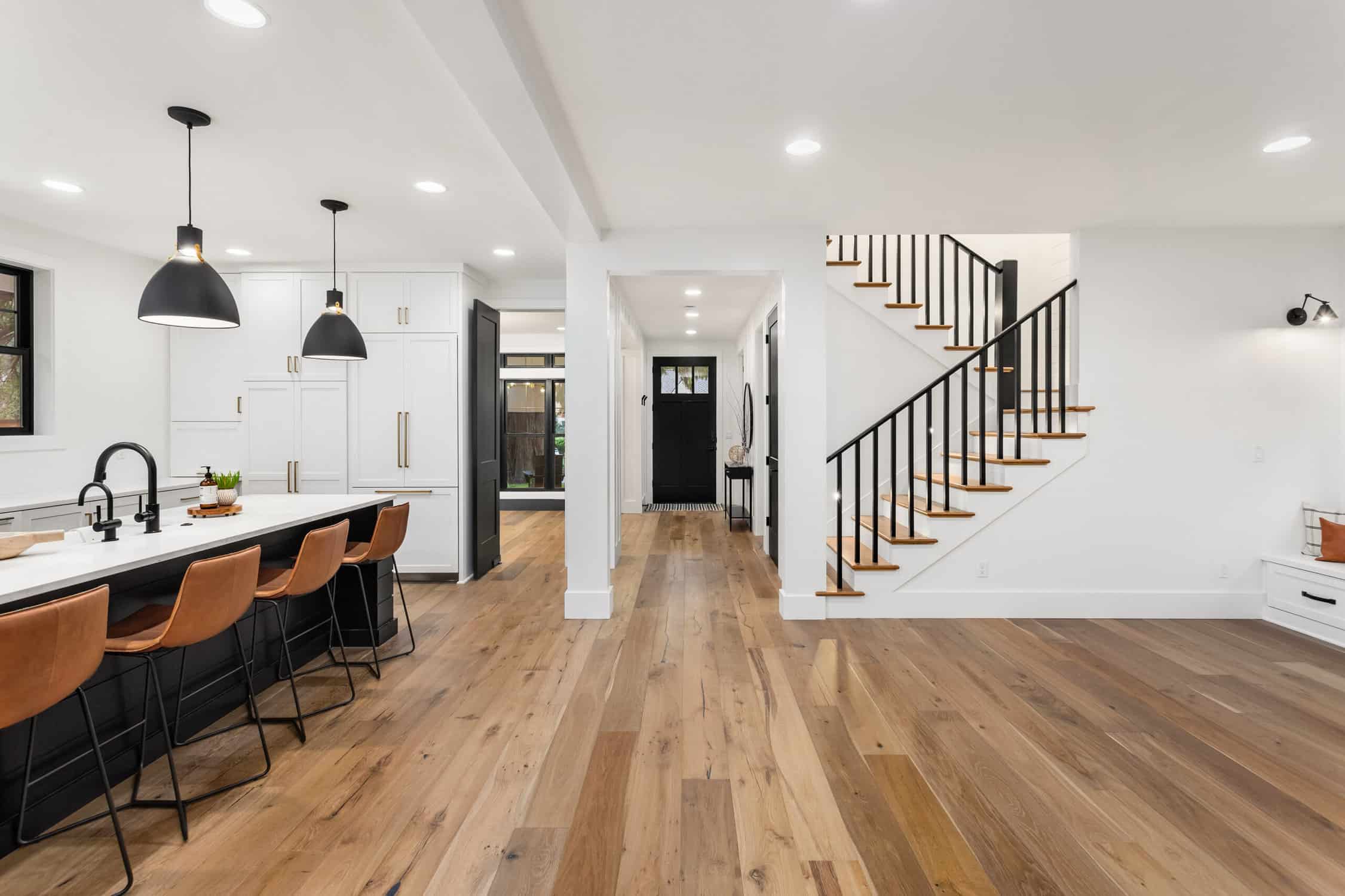
kitchen in newly constructed luxury home
Paint Lifespan Comparison
Proper preparation can double or triple the lifespan of interior and exterior coatings. Poor prep often results in repeated failures within a few months or years, increasing maintenance frequency.
Financial and Practical Impact
Skipping preparation may save labor hours upfront, but the cost of repeated repairs, repainting, and potential damage escalation far outweighs initial savings. Long-term property value, aesthetics, and structural protection are all compromised.
Fast Cracks Always Point to Prep Failure
Cracking within weeks is never “normal.” It is a symptom of poor surface preparation. Investing time, expertise, and proper materials in prep before the first coat is applied ensures durable, crack-free results. At LiteHouse Painting, we build longevity into every interior house painting project in Springboro, OH by making preparation our top priority.
Durable, beautiful paint starts before the first brush touches the wall.